UNICEF at 80. Me, almost 18.

About the people who help us grow, about the power of being listened to, and about the responsibility of building a better world for the ones who come after us.
Today, on 26 November 2026, I had the honour of taking part, at Cotroceni Palace, in an event held under the High Patronage of the President of Romania, marking 80 years of UNICEF around the world and 35 years of work in Romania.
In less than two months I turn 18. For more than three years I have been a member of the Children's Board in Romania, supported by UNICEF.
Maybe, on the scale of 80 years, my three years don't mean very much. But on the scale of my almost 18 years, they mean everything.
They are three years in which I grew up, learned, met extraordinary people, made friendships and began to understand the world I live in a little better. Three years in which I discovered that age doesn't have to be an obstacle when you want to change something for the better.
Today, though, I don't want to talk only about my own experience. I want to tell you about an organisation that many people know by name or by its blue logo, but that perhaps too few people realise has changed the world as much as it has.
A promise made to children 80 years ago
On 11 December 1946, shortly after the end of the Second World War, the United Nations created UNICEF.
Europe was in ruins. Millions of children were suffering from hunger, disease and poverty. Many had lost their families, their homes and any chance of going to school. In a world trying to rebuild itself, someone understood that rebuilding had to start with the youngest of us too.
That is how the United Nations International Children's Emergency Fund came to life — the organisation we know today as UNICEF.
One of the things that struck me when I discovered UNICEF's history is that, from the very beginning, the organisation set out to help even the children of countries that had been considered the enemy during the war. Because a child is not to blame for the decisions adults make in the country where that child happens to be born. To me, that is an extraordinary lesson — just as important today as it was in 1946.
In 1953, UNICEF became a permanent part of the United Nations system. Its official name was changed to the United Nations Children's Fund, but the acronym UNICEF was kept. In 1965, the organisation received the Nobel Peace Prize.
In 1989, the UN General Assembly adopted the Convention on the Rights of the Child, a document UNICEF helped shape and which went on to become the most widely ratified human rights treaty in history — today, 196 states are parties to it. The only country in the world that signed it but has not ratified it is the United States — the US Senate has never put it to a ratification vote, mainly because of objections around national sovereignty, the balance between the states and the federal government, and parental rights.
The right to education, to health, to protection, to play, to express your own opinion and to a childhood lived in safety are not favours adults grant to children. They are rights. And the difference between the two matters far more than it might seem.
UNICEF in numbers. A bigger organisation than we imagine
Today, UNICEF is present in more than 190 countries and territories. But there are a few things about this organisation that, honestly, I wish many more people knew.
UNICEF is not funded through mandatory contributions from UN member states. Its work is supported entirely by voluntary contributions — from governments, companies, organisations and the millions of people who choose to give. In other words, UNICEF exists because people all over the world decide, every single year, that it is worth it.
In 2025 alone, UNICEF spent more than 8.1 billion dollars on children, of which over 7.1 billion went directly into programmes. Also in 2025, the goods and services the organisation procured — vaccines, medicine, therapeutic food, supplies — were worth more than 5.7 billion dollars. An impressive figure. But what's even more impressive is what happens with those resources.
In 2025 alone, through the work of UNICEF and its partners:
- 27.8 million out-of-school children received education support;
- more than 34 million people gained access to safe water;
- 6.5 million children with disabilities were supported through inclusion programmes, across 139 countries;
- over 38.6 million children were vaccinated against measles in humanitarian settings;
- the organisation responded to 414 emergencies, in 101 countries.
Something you might not know: UNICEF is the largest buyer of vaccines in the world.
And one more detail few people know. In 1949, UNICEF issued its very first greeting card — a painting made by a seven-year-old girl from Czechoslovakia. From that one child's drawing, selling cards grew into one of the organisation's largest and most enduring sources of funding. I love that idea: that a whole tradition which helps millions of children started with the drawing of a single child.
But behind all these numbers there are people. Doctors, teachers, psychologists, social workers, child-rights specialists, volunteers, donors and teams who sometimes work in conditions the rest of us find hard even to imagine. And, above all, behind every number there is a child.
A child who can go to school for the first time. A child who gets a vaccine. A child who gains access to clean water. A child who discovers they are not alone.
I think that is the best way to understand the real size of UNICEF. Not just in billions of dollars, but in millions of childhoods that can have a different future.
35 years of UNICEF in Romania
The story of the partnership between UNICEF and Romania began in a difficult time for our country. On 21 June 1991, the framework cooperation agreement between the Government of Romania and UNICEF was signed.
Romania was emerging from a period in which the rights and needs of many children had been ignored. Images of children in state institutions had travelled around the world. What was needed was not only immediate help, but a deep change in the way society understood and protected childhood.
Since then, UNICEF has helped — alongside the authorities and many partners — to develop the child protection system, to promote inclusive education, to improve access to medical and social services, and to support vulnerable families.
One important example is the Minimum Package of Services, a model that brings together specialists from health, education and social work to identify and support the children and families who need help. The idea is simple: we shouldn't wait for a child's problems to grow so serious that they can no longer be ignored. We need to reach that child before that moment.
In recent years, UNICEF Romania has also been involved in supporting refugee children from Ukraine, in promoting mental health, in fighting discrimination, and in encouraging children to take part in the decisions that concern them.
For my generation, many of the rights other people fought for over years feel completely normal today. But they didn't appear on their own. Behind them are 35 years of work, patience, cooperation and people who refused to accept the idea that some children deserve less than others.
2023. The year UNICEF became part of my story
I was 14 when I was selected to join the Children's Board in Romania, supported by UNICEF. At that age I already had plenty of ideas, I was passionate about sport, and I wanted to get involved in projects that mattered to the people around me. But I don't think I fully understood how much this experience would change me.

At first there was the joy of being selected. Then I began to discover the responsibility that comes with such an opportunity. I understood that I wasn't there only to talk about myself, my school or the problems I ran into. I was there to learn to listen, too.
To listen to children who grow up in conditions different from mine, who have different opportunities, different worries and different struggles. Children who see Romania from a perspective that I, growing up in Bucharest, might never have had the chance to really understand.
The Board helped me realise that my experience is not every child's experience. I had the chance to go to a good school, to play sport, to travel, to learn languages, to take part in projects and to be encouraged to develop my ideas. But there are a great many children with the same dreams, and maybe even more talent than me, who don't have the same opportunities.
I didn't choose the place where I was born, or the opportunities I was given. But I can choose what I do with them. That is one of the most important lessons I have learned in these three years.
So what exactly is the Children's Board?
The Children's Board in Romania was created in January 2019, during Romania's Presidency of the Council of the European Union. It is an informal group, led by children and supported by UNICEF, which promotes children's participation in the decisions that affect their lives.
At the heart of it is Article 12 of the UN Convention on the Rights of the Child, which says that every child has the right to express their opinion on matters that concern them, and to have that opinion taken into account. Our motto is: "Nothing for children, without children."
It might sound obvious. In reality, it isn't always the case. Adults decide what our education should look like, what we should learn, how we should be protected online, how we should spend our time and what services we should have. But how often are we actually asked what we think about all this?
The Children's Board gives us the chance to take part in consultations, to talk with specialists and decision-makers, to put forward proposals and to get involved in projects about children's rights. We are not there to replace adults, nor because we have the answers to everything. We are there because we have a perspective adults can't fully have: that of a child growing up in today's world.
And because it isn't enough to be told we are the future, if we are not allowed to take part in the present.
UNICEF and the kind of education that isn't graded
I'm in the 11th grade at the Romanian-Finnish High School in Bucharest. I've played basketball for many years, and I've had the chance, in turn, to help younger kids discover the sport. School, family and sport played a very important part in shaping me. But UNICEF added another dimension to my education.
It's the kind of education you don't get grades for, but that can help you become a better person. I learned that having confidence in yourself doesn't mean believing you're always right. I learned that you can disagree with someone without seeing them as an opponent. I learned that leadership doesn't mean always being out in front, but helping others get there too. I learned that diversity shouldn't just be accepted, but understood and valued.
UNICEF builds its work around a set of core values: care, respect, integrity, trust, accountability and sustainability. These are words you can find in plenty of books and presentations. But you discover their real value when you meet people who actually live by them.
In basketball there is a moment I appreciate a lot: when a player gives up the chance to score so a teammate can have a better one. The person who scores isn't always the one who made the basket possible. I think life works the same way. Sometimes the most important thing you can do for someone is to give them the chance to succeed.
UNICEF gave me many such chances. And I hope I can do the same for others.
Anna Riatti and the people who choose to believe in children
I couldn't write about my experience in UNICEF Romania without talking about Anna Riatti.
Anna has been UNICEF's Representative in Romania since August 2022, and she has over 25 years of experience in international cooperation and child rights, more than two decades of it with UNICEF. Before arriving in Romania, she worked in Italy too, on programmes dedicated to the protection and social inclusion of migrant and refugee children.

Beyond her professional experience, to me Anna is one of the people I'm grateful to have met at this age. There are adults who speak beautifully about how important children are. And there are adults who make the time to actually listen to them. You can feel the difference.
I think one of the most beautiful forms of respect an adult can offer a teenager is to treat them as a partner in conversation, not as an adult still under construction. For me, getting to know Anna means trust, respect, hope and the joy of discovering that friendship between generations is possible when you share the same values.
I wish more children could meet people who believe in them even before they discover what they are capable of themselves. I am grateful to Anna, and to the whole UNICEF Romania team, for the time, patience, energy and trust they have invested in us. For all the meetings, for the chances to learn, for the serious conversations — but also for the moments when we laughed together.
Because, beyond projects and goals, we are people. And sometimes the most important lessons don't come from a presentation, but from a conversation.
From the opportunities we're given to the opportunities we can give
In recent years, I've tried to use the things I'm passionate about to build things that are useful to other teenagers too. I became a member of the Children's Advisory Council of the Bucharest City Hall and, in 2026, Ambassador for Romania of United Citizens of Europe.
I started writing about the problems of my generation — about education, mental health, sport, equal opportunities and young people's participation in society. I developed the educational programme SMART ONLINE = SAFE OFFLINE, the project The Fake News Factory, the project I BELONG and, more recently, together with a team of students, the platform TRUST // NO TRUST, through which we want to help teenagers recognise the dangers and manipulation of the online world. I also worked on HANDIFY, a technology project through which I try to explore new ways of interacting with a computer.
They are very different projects, but behind them is the same question: what can I do, with what I know and what I have, to make things a little better for someone else?
In 2026 I also had the joy of receiving recognition in the field of volunteering, the Young Leader in Volunteering award. It made me really happy. But I think an award is also a good moment to think about all the people thanks to whom you got there. Family, teachers, classmates, coaches, friends and the people who gave you a chance.
UNICEF is part of my story. Not because it told me what I had to become, but because it gave me a space to discover for myself what I could become.
A message for the teenagers who want to join the Children's Board
If you are 13, 14, 15 or 16 and you're reading this article, I want to tell you something. You don't need an impressive CV. You don't need to have won competitions, to be the top of your class or to already know how to speak in front of an audience. You don't need to live in Bucharest or in a big city.
Your life experience, the community you come from, your questions and the things you'd want to change all matter. The Children's Board needs different teenagers, with different stories and different perspectives.
Follow the official UNICEF Romania website and its social media pages, where you can discover the Board's work and future opportunities to apply. When a new selection period opens, have the courage to apply.
Teenagers who want to join can follow the official Children's Board page on the UNICEF Romania website for recruitment announcements, eligibility criteria and the application process. The exact conditions are set by UNICEF Romania for each recruitment period.
Don't ask yourself whether you're important enough to be part of a group like this. Ask yourself what important things you could do if you were given this chance. At 14, I had no idea where the next three years would take me. Today, I'm so glad I took that first step.
At 18 you don't stop believing in children's rights
In January 2027 I turn 18, and my time as a member of the Children's Board will come to an end. I'll admit it isn't easy for me to think about that moment. There are people I want to see again, friendships I want to keep, and projects I'd love to keep contributing to.
But the fact that I will no longer be a child in the eyes of the law doesn't mean children's problems will become any less important to me. I'd like to stay close to UNICEF and to find, in the future, new ways to work together.
I believe deeply in sport as a tool for promoting children's physical and mental health. I believe every child should have access to sport, regardless of their family's financial situation, where they live, or whether they have a disability. I believe teenagers' mental health deserves just as much attention as their physical health. And I believe online safety, digital education and cybersecurity should become a natural part of my generation's education.
These are fields I want to keep learning about, building in and getting involved with. For me, turning 18 shouldn't be the end of a responsibility, but the beginning of a bigger one.
But today isn't about goodbyes. It isn't yet time to say "farewell". Today is about an anniversary, about gratitude, and about the future.
A promise that needs to be renewed
On its 80th anniversary, UNICEF sends the world a message that is as simple as it is serious: It's time to recommit. It's time to reaffirm our commitment to children.
We live in a world of wars, inequality, poverty, discrimination, mental health crises and new dangers online. In 2025, around 213 million children needed humanitarian assistance — almost 30 million more than in 2024. At the same time, the resources meant for international aid are under pressure. After 80 years of progress, there is a real risk that many of the things won with so much effort could be lost.
I believe my generation needs more than the promise of a better future. It needs adults who understand that our future is built today. A child who isn't in school today can't put their childhood on pause until a solution appears. A teenager struggling with their mental health can't wait until the subject becomes important enough on the public agenda. A child in danger needs protection now, not at the next anniversary.
Childhood can't be postponed.
Happy anniversary, UNICEF!
Happy anniversary for the 80 years in which you have stood by the world's children, and for the 35 years in which you have helped change the lives of children in Romania.
Thank you to the people of the UNICEF Romania team, to Anna, to my colleagues on the Children's Board, and to everyone who has invested in my education and my growth. Thank you for giving me the chance to learn, to make mistakes, to ask questions, to grow and to discover how much we can do when we trust one another.
I hope that, years from now, when I look back at the teenager I am today, I'll be able to say I did something good with all the opportunities I was given. And I hope that, when UNICEF turns 100, we'll live in a world where the place a child is born no longer decides that child's future.
In a few weeks I turn 18. I will officially cross over to the side of the adults.
UNICEF taught me, before I became an adult, what kind of adult is worth becoming. One who doesn't forget what it's like to be a child. One who doesn't forget how much it mattered to be listened to. And one who, when he has the power to make decisions, will make sure there is still a seat at the table. One for a child.
For every child.
— Nicholas Carstoiu
Despre oamenii care ne ajută să creștem, despre puterea de a fi ascultați și despre responsabilitatea de a construi o lume mai bună pentru cei care vin după noi.
Astăzi, 26 noiembrie 2026, am avut onoarea să particip, la Palatul Cotroceni, la un eveniment desfășurat sub Înaltul Patronaj al Președintelui României, care marchează 80 de ani de UNICEF în lume și 35 de ani de activitate în România.
În mai puțin de două luni voi împlini 18 ani. De peste trei ani fac parte din Boardul Copiilor din România, susținut de UNICEF.
Poate că, la scara celor 80 de ani, cei trei ani ai mei nu înseamnă foarte mult. Dar, la scara celor aproape 18 ani pe care îi am, înseamnă enorm.
Sunt trei ani în care am crescut, am învățat, am cunoscut oameni extraordinari, am legat prietenii și am început să înțeleg mai bine lumea în care trăiesc. Trei ani în care am descoperit că vârsta nu trebuie să fie un obstacol atunci când vrei să schimbi ceva în bine.
Astăzi însă nu vreau să vorbesc doar despre experiența mea. Vreau să vă povestesc despre o organizație pe care mulți o cunosc după nume sau după sigla albastră, dar despre care poate prea puțini știu cât de mult a schimbat lumea.
O promisiune făcută copiilor acum 80 de ani
La 11 decembrie 1946, la puțin timp după încheierea celui de-Al Doilea Război Mondial, Organizația Națiunilor Unite înființa UNICEF.
Europa era distrusă. Milioane de copii sufereau de foame, boli și sărăcie. Mulți își pierduseră familiile, casele și posibilitatea de a merge la școală. Într-o lume care încerca să se reconstruiască, cineva a înțeles că reconstrucția trebuia să înceapă și cu cei mai mici dintre noi.
Așa a luat naștere United Nations International Children's Emergency Fund, organizația pe care astăzi o cunoaștem sub numele de UNICEF.
Unul dintre lucrurile care m-au impresionat când am descoperit istoria UNICEF este că, încă de la început, organizația și-a propus să ajute inclusiv copiii din țările care fuseseră considerate inamice în timpul războiului. Pentru că un copil nu este vinovat pentru deciziile adulților din țara în care s-a născut. Mi se pare o lecție extraordinară, la fel de importantă astăzi cum era în 1946.
În 1953, UNICEF a devenit parte permanentă a sistemului Națiunilor Unite. Denumirea oficială a fost schimbată în United Nations Children's Fund, însă acronimul UNICEF a fost păstrat. În 1965, organizația a primit Premiul Nobel pentru Pace.
În 1989, Adunarea Generală a ONU a adoptat Convenția cu privire la Drepturile Copilului, un document la care UNICEF a avut o contribuție importantă și care a devenit cel mai larg ratificat tratat internațional privind drepturile omului — astăzi, 196 de state sunt părți la Convenție. Singura țară din lume care a semnat-o, dar nu a ratificat-o, sunt Statele Unite ale Americii — Senatul american nu a supus-o niciodată votului de ratificare, în principal din cauza unor obiecții legate de suveranitatea națională, de raportul dintre statele federale și guvernul central și de drepturile părinților.
Dreptul la educație, la sănătate, la protecție, la joacă, la exprimarea propriei opinii și la o copilărie trăită în siguranță nu sunt favoruri pe care adulții le fac copiilor. Sunt drepturi. Iar diferența dintre cele două este mult mai importantă decât pare.
UNICEF în cifre. O organizație mai mare decât ne imaginăm
Astăzi, UNICEF este prezent în peste 190 de țări și teritorii. Dar există câteva lucruri despre această organizație pe care, sincer, mi-ar plăcea să le cunoască mult mai mulți oameni.
UNICEF nu este finanțat prin contribuții obligatorii ale statelor membre ONU. Activitatea sa este susținută integral prin contribuții voluntare — ale guvernelor, companiilor, organizațiilor și ale milioanelor de oameni care aleg să doneze. Cu alte cuvinte, UNICEF funcționează pentru că oameni din toată lumea decid, în fiecare an, că merită.
Numai în 2025, UNICEF a cheltuit peste 8,1 miliarde de dolari pentru copii, din care peste 7,1 miliarde au mers direct către programe. Tot în 2025, valoarea bunurilor și serviciilor achiziționate de organizație — vaccinuri, medicamente, hrană terapeutică, rechizite — a depășit 5,7 miliarde de dolari. O cifră impresionantă. Dar și mai impresionant este ceea ce se întâmplă cu aceste resurse.
Tot în anul 2025, prin activitatea UNICEF și a partenerilor săi:
- 27,8 milioane de copii care nu frecventau școala au primit sprijin educațional;
- peste 34 de milioane de oameni au beneficiat de acces la apă sigură;
- 6,5 milioane de copii cu dizabilități au fost sprijiniți prin programe de incluziune, în 139 de țări;
- peste 38,6 milioane de copii au fost vaccinați împotriva rujeolei în contexte de criză umanitară;
- organizația a intervenit în 414 situații de urgență, în 101 țări.
Un lucru pe care poate nu îl știați: UNICEF este cel mai mare cumpărător de vaccinuri din lume.
Și încă un detaliu pe care puțini îl cunosc. În 1949, UNICEF a lansat prima sa felicitare — o pictură realizată de o fetiță de șapte ani din Cehoslovacia. De la acel desen făcut de un copil, vânzarea felicitărilor a devenit una dintre cele mai mari și mai durabile surse de finanțare ale organizației. Îmi place enorm ideea asta: că o întreagă tradiție care ajută milioane de copii a pornit de la desenul unui singur copil.
În spatele tuturor acestor cifre se află însă oameni. Medici, profesori, psihologi, asistenți sociali, specialiști în drepturile copilului, voluntari, donatori și echipe care lucrează uneori în condiții pe care nouă ne este greu chiar și să ni le imaginăm. Și, mai ales, în spatele fiecărei cifre se află un copil.
Un copil care poate merge la școală pentru prima dată. Un copil care primește un vaccin. Un copil care are acces la apă potabilă. Un copil care descoperă că nu este singur.
Cred că acesta este cel mai bun mod de a înțelege dimensiunea reală a UNICEF. Nu doar în miliarde de dolari, ci în milioane de copilării care pot avea un viitor diferit.
35 de ani de UNICEF în România
Povestea parteneriatului dintre UNICEF și România a început într-o perioadă dificilă pentru țara noastră. La 21 iunie 1991 a fost semnat Acordul-cadru de cooperare dintre Guvernul României și UNICEF.
România ieșea dintr-o perioadă în care drepturile și nevoile multor copii fuseseră ignorate. Imaginile copiilor din instituțiile de stat ajunseseră în întreaga lume. Era nevoie nu doar de ajutor imediat, ci de o schimbare profundă a modului în care societatea înțelegea și proteja copilăria.
De atunci, UNICEF a contribuit, alături de autorități și de numeroși parteneri, la dezvoltarea sistemului de protecție a copilului, la promovarea educației incluzive, la îmbunătățirea accesului la servicii medicale și sociale și la sprijinirea familiilor vulnerabile.
Un exemplu important este Pachetul Minim de Servicii, un model care aduce împreună specialiști din sănătate, educație și asistență socială pentru a identifica și sprijini copiii și familiile care au nevoie de ajutor. Ideea este simplă: nu trebuie să așteptăm ca problemele unui copil să devină atât de grave încât să nu mai poată fi ignorate. Trebuie să ajungem la el înainte de acel moment.
În ultimii ani, UNICEF România s-a implicat și în sprijinirea copiilor refugiați din Ucraina, în promovarea sănătății mintale, în combaterea discriminării și în încurajarea participării copiilor la deciziile care îi privesc.
Pentru generația mea, multe dintre drepturile pentru care alți oameni au luptat ani întregi par astăzi ceva firesc. Dar ele nu au apărut de la sine. În spatele lor se află 35 de ani de muncă, de răbdare, de colaborare și de oameni care au refuzat să accepte ideea că unii copii merită mai puțin decât alții.
2023. Anul în care UNICEF a devenit parte din povestea mea
Aveam 14 ani când am fost selectat să fac parte din Boardul Copiilor din România, susținut de UNICEF. La acea vârstă aveam deja multe idei, eram pasionat de sport și îmi doream să mă implic în proiecte care să conteze pentru cei din jurul meu. Nu cred însă că înțelegeam pe deplin cât de mult avea să mă schimbe această experiență.
La început a fost bucuria de a fi selectat. Apoi am început să descopăr responsabilitatea care vine odată cu această oportunitate. Am înțeles că nu eram acolo doar pentru a vorbi despre mine, despre școala mea sau despre problemele pe care le întâlneam eu. Eram acolo și pentru a învăța să ascult.
Să ascult copii care cresc în alte condiții decât mine, care au alte oportunități, alte preocupări și alte dificultăți. Copii care văd România dintr-o perspectivă pe care eu, crescând în București, poate nu aș fi avut ocazia să o cunosc suficient.
Boardul m-a ajutat să înțeleg că experiența mea nu este experiența tuturor copiilor. Eu am avut șansa să merg la o școală bună, să practic sport, să călătoresc, să învăț limbi străine, să particip la proiecte și să fiu încurajat să îmi dezvolt ideile. Dar există foarte mulți copii care au aceleași visuri și poate chiar mai mult talent decât mine, fără să aibă aceleași oportunități.
Nu am ales locul în care m-am născut și nici oportunitățile pe care le-am primit. Pot însă să aleg ce fac cu ele. Aceasta este una dintre cele mai importante lecții pe care le-am învățat în acești trei ani.
Ce este, de fapt, Boardul Copiilor?
Boardul Copiilor din România a luat naștere în ianuarie 2019, în contextul Președinției României la Consiliul Uniunii Europene. Este un grup informal, condus de copii și susținut de UNICEF, care promovează participarea copiilor la luarea deciziilor ce le influențează viețile.
La baza existenței sale se află articolul 12 din Convenția ONU cu privire la Drepturile Copilului, care spune că fiecare copil are dreptul să își exprime opinia în problemele care îl privesc și ca această opinie să fie luată în considerare. Deviza noastră este: „Nimic pentru copii, fără copii.”
Poate părea ceva evident. În realitate, nu este întotdeauna așa. Adulții decid cum ar trebui să arate educația noastră, ce ar trebui să învățăm, cum să fim protejați în mediul online, cum să ne petrecem timpul și ce servicii ar trebui să avem la dispoziție. Dar cât de des suntem întrebați noi ce credem despre toate acestea?
Boardul Copiilor ne oferă ocazia de a participa la consultări, de a discuta cu specialiști și cu persoane care iau decizii, de a veni cu propuneri și de a ne implica în proiecte privind drepturile copiilor. Nu suntem acolo pentru a înlocui adulții și nici pentru că avem răspunsurile la toate problemele. Suntem acolo pentru că avem o perspectivă pe care adulții nu o pot avea în totalitate: aceea a unui copil care crește în lumea de astăzi.
Și pentru că nu este suficient să ni se spună că suntem viitorul, dacă nu ni se permite să participăm la prezent.
UNICEF și educația care nu se notează în catalog
Sunt elev în clasa a XI-a la Liceul Româno-Finlandez din București. Practic baschetul de mulți ani și am avut, la rândul meu, șansa de a-i ajuta pe cei mai mici să descopere acest sport. Școala, familia și sportul au avut un rol foarte important în formarea mea. UNICEF a adăugat însă o altă dimensiune educației mele.
Este genul de educație pentru care nu primești note, dar care te poate ajuta să devii un om mai bun. Am învățat că a avea încredere în tine nu înseamnă să crezi că ai întotdeauna dreptate. Am învățat că poți să nu fii de acord cu cineva fără să îl privești ca pe un adversar. Am învățat că leadershipul nu înseamnă să fii mereu în față, ci să îi ajuți și pe ceilalți să ajungă acolo. Am învățat că diversitatea nu trebuie doar acceptată, ci înțeleasă și apreciată.
UNICEF își construiește activitatea în jurul unor valori fundamentale: grijă, respect, integritate, încredere, responsabilitate și sustenabilitate. Sunt cuvinte pe care le putem găsi în multe cărți sau prezentări. Dar adevărata lor valoare o descoperim atunci când întâlnim oameni care chiar trăiesc după ele.
În baschet există un moment pe care îl apreciez foarte mult: atunci când un jucător renunță la șansa de a înscrie pentru a-i oferi unui coleg o poziție mai bună. Nu întotdeauna cel care marchează este și cel care a făcut posibil coșul. Cred că și în viață funcționează la fel. Uneori, cel mai important lucru pe care îl poți face pentru cineva este să îi oferi oportunitatea de a reuși.
UNICEF mi-a oferit multe astfel de oportunități. Și sper să pot face, la rândul meu, același lucru pentru alții.
Anna Riatti și oamenii care aleg să creadă în copii
Nu aș putea să scriu despre experiența mea în UNICEF România fără să vorbesc despre Anna Riatti.
Anna este reprezentanta UNICEF în România din august 2022 și are peste 25 de ani de experiență în cooperarea internațională și în protejarea drepturilor copiilor, dintre care peste două decenii în cadrul UNICEF. Înainte de a ajunge în România, a lucrat inclusiv în Italia, în programe dedicate protecției și incluziunii sociale a copiilor migranți și refugiați.
Dincolo de experiența sa profesională, pentru mine Anna este unul dintre oamenii pe care mă bucur că am avut șansa să îi cunosc la această vârstă. Există adulți care vorbesc foarte frumos despre importanța copiilor. Și există adulți care își fac timp să îi asculte. Diferența se simte.
Cred că una dintre cele mai frumoase forme de respect pe care un adult i le poate oferi unui adolescent este să îl trateze ca pe un partener de dialog, nu ca pe un adult aflat încă în construcție. Pentru mine, experiența de a o cunoaște pe Anna înseamnă încredere, respect, speranță și bucuria de a descoperi că prietenia dintre generații este posibilă atunci când există valori comune.
Mi-aș dori ca mai mulți copii să întâlnească oameni care să creadă în ei chiar înainte ca ei înșiși să descopere de ce sunt capabili. Îi sunt recunoscător Annei, dar și întregii echipe UNICEF România, pentru timpul, răbdarea, energia și încrederea investite în noi. Pentru toate întâlnirile, pentru oportunitățile de învățare, pentru discuțiile serioase, dar și pentru momentele în care am râs împreună.
Pentru că, dincolo de proiecte și obiective, suntem oameni. Și, uneori, cele mai importante lecții nu vin dintr-o prezentare, ci dintr-o conversație.
De la oportunitățile primite la oportunitățile pe care le putem oferi
În ultimii ani, am încercat să îmi folosesc pasiunile pentru a construi lucruri care să fie utile și altor adolescenți. Am devenit membru al Consiliului Consultativ al Copiilor din cadrul Primăriei Municipiului București și, în 2026, Ambasador pentru România al United Citizens of Europe.
Am început să scriu despre problemele generației mele — despre educație, sănătate mintală, sport, egalitatea de șanse și participarea tinerilor la viața societății. Am dezvoltat programul educațional SMART ONLINE = SAFE OFFLINE, proiectul The Fake News Factory, proiectul I BELONG și, mai recent, împreună cu o echipă de elevi, platforma TRUST // NO TRUST, prin care ne propunem să îi ajutăm pe adolescenți să recunoască pericolele și manipularea din mediul digital. Am lucrat și la HANDIFY, un proiect de tehnologie prin care încerc să explorez noi modalități de interacțiune cu calculatorul.
Sunt proiecte diferite, dar în spatele lor se află aceeași întrebare: ce pot face eu, cu ceea ce știu și cu ceea ce am la dispoziție, pentru ca și altcuiva să îi fie puțin mai bine?
În 2026 am avut bucuria de a primi și o recunoaștere în domeniul voluntariatului, premiul Young Leader in Volunteering. M-am bucurat mult. Dar cred că un premiu este și un bun moment în care să te gândești la toți oamenii datorită cărora ai ajuns să îl primești. Familia, profesorii, colegii, antrenorii, prietenii și oamenii care ți-au oferit o șansă.
UNICEF face parte din această poveste a mea. Nu pentru că mi-ar fi spus ce trebuie să devin, ci pentru că mi-a oferit un spațiu în care să descopăr singur ce aș putea deveni.
Un mesaj pentru adolescenții care vor să facă parte din Boardul Copiilor
Dacă ai 13, 14, 15 sau 16 ani și citești acest articol, aș vrea să îți spun ceva. Nu trebuie să ai un CV impresionant. Nu trebuie să fi câștigat concursuri, să fii cel mai bun elev din clasă sau să știi deja cum să vorbești în fața unui public. Nu trebuie să locuiești în București sau într-un oraș mare.
Experiența ta de viață, comunitatea din care vii, întrebările tale și lucrurile pe care ai vrea să le schimbi sunt importante. Boardul Copiilor are nevoie de adolescenți diferiți, cu povești diferite și cu perspective diferite.
Urmărește site-ul oficial UNICEF România și paginile sale de social media, unde poți descoperi activitatea Boardului și viitoarele oportunități de înscriere. Atunci când se deschide o nouă perioadă de selecție, ai curajul să aplici.
Adolescenții care vor să se implice pot urmări pagina oficială a Boardului Copiilor de pe site-ul UNICEF România, pentru anunțurile de recrutare, criteriile de eligibilitate și procesul de înscriere. Condițiile exacte sunt stabilite de UNICEF România pentru fiecare sesiune.
Nu te întreba dacă ești suficient de important pentru a face parte dintr-un astfel de grup. Întreabă-te ce lucruri importante ai putea face dacă ai primi această șansă. Eu, la 14 ani, nu știam unde mă vor duce următorii trei ani. Astăzi, mă bucur enorm că am făcut acel prim pas.
La 18 ani nu încetezi să crezi în drepturile copiilor
În ianuarie 2027 voi împlini 18 ani, iar experiența mea ca membru al Boardului Copiilor se va apropia de final. Recunosc că nu îmi este foarte ușor să mă gândesc la acest moment. Sunt oameni pe care îmi doresc să îi revăd, prietenii pe care vreau să le păstrez și proiecte la care mi-ar plăcea să contribui în continuare.
Dar faptul că nu voi mai fi copil din punct de vedere legal nu înseamnă că problemele copiilor vor deveni mai puțin importante pentru mine. Mi-aș dori să rămân aproape de UNICEF și să găsesc, pe viitor, noi forme de colaborare.
Cred foarte mult în sport ca instrument de promovare a sănătății fizice și mintale a copiilor. Cred că fiecare copil ar trebui să aibă acces la sport, indiferent de situația financiară a familiei sale, de locul în care trăiește sau de existența unei dizabilități. Cred că sănătatea mintală a adolescenților merită la fel de multă atenție ca sănătatea lor fizică. Și cred că siguranța online, educația digitală și cybersecurity trebuie să devină o parte firească a educației generației mele.
Sunt domenii în care vreau să continui să învăț, să construiesc și să mă implic. Pentru mine, împlinirea vârstei de 18 ani nu trebuie să fie sfârșitul unei responsabilități, ci începutul unei responsabilități mai mari.
Dar astăzi nu este despre despărțiri. Nu este încă timpul pentru „la revedere”. Astăzi este despre aniversare, recunoștință și viitor.
O promisiune care trebuie reînnoită
Cu ocazia celor 80 de ani de existență, UNICEF transmite lumii un mesaj pe cât de simplu, pe atât de serios: It's time to recommit. Este timpul să ne reafirmăm angajamentul față de copii.
Trăim într-o lume cu războaie, inegalități, sărăcie, discriminare, crize de sănătate mintală și noi pericole în mediul digital. În 2025, aproximativ 213 milioane de copii au avut nevoie de asistență umanitară — cu aproape 30 de milioane mai mulți decât în 2024. În același timp, resursele destinate ajutorului internațional sunt sub presiune. După 80 de ani de progrese, există riscul ca multe dintre lucrurile câștigate cu atât de mult efort să fie pierdute.
Cred că generația mea are nevoie de mai mult decât promisiunea unui viitor mai bun. Are nevoie de adulți care înțeleg că viitorul nostru se construiește astăzi. Un copil care nu merge la școală astăzi nu își poate pune copilăria pe pauză până când va exista o soluție. Un adolescent care se confruntă cu probleme de sănătate mintală nu poate aștepta până când subiectul va deveni suficient de important pe agenda publică. Un copil aflat în pericol are nevoie de protecție acum, nu la următoarea aniversare.
Copilăria nu poate fi amânată.
La mulți ani, UNICEF!
La mulți ani pentru cei 80 de ani în care ați fost alături de copiii lumii și pentru cei 35 de ani în care ați contribuit la schimbarea vieților copiilor din România.
Mulțumesc oamenilor din echipa UNICEF România, Annei, colegilor mei din Boardul Copiilor și tuturor celor care au investit în educația și dezvoltarea mea. Mulțumesc pentru că mi-ați oferit ocazia de a învăța, de a greși, de a pune întrebări, de a crește și de a descoperi cât de multe putem face atunci când avem încredere unii în alții.
Sper ca, peste ani, atunci când mă voi uita înapoi la adolescentul care sunt astăzi, să pot spune că am făcut ceva bun cu toate oportunitățile pe care le-am primit. Și mai sper ca, atunci când UNICEF va împlini 100 de ani, să trăim într-o lume în care locul nașterii unui copil nu îi mai decide viitorul.
Peste câteva săptămâni voi împlini 18 ani. Voi trece, oficial, de partea adulților.
UNICEF m-a învățat, înainte de a deveni adult, ce fel de adult merită să devin. Unul care nu uită cum este să fii copil. Unul care nu uită cât de important a fost să fie ascultat. Și unul care, atunci când va avea puterea de a lua decizii, va avea grijă să mai fie un scaun la masă. Unul pentru un copil.
Pentru fiecare copil.
For every child.
— Nicholas Cârstoiu
Frequently asked questions
Who is Nicholas Carstoiu?
Nicholas Carstoiu (Nicholas Cârstoiu) is a Romanian youth leader, student-athlete and writer involved in children’s rights, education, volunteering and youth participation.
What is Nicholas Carstoiu’s connection to UNICEF?
In 2023, at the age of 14, Nicholas Carstoiu joined the Children’s Board in Romania, supported by UNICEF.
What is the Children’s Board in Romania?
Founded in 2019, the Children’s Board is a child-led informal group supported by UNICEF that promotes children’s participation in the decisions that affect their lives.
When does UNICEF celebrate its 80th anniversary?
UNICEF was established by the United Nations on 11 December 1946, so it marks 80 years in 2026.
How long has UNICEF worked in Romania?
The cooperation agreement between the Romanian Government and UNICEF was signed on 21 June 1991. In 2026, the partnership marks 35 years.
Întrebări frecvente
Cine este Nicholas Carstoiu?
Nicholas Carstoiu (Nicholas Cârstoiu) este un tânăr lider, sportiv și autor din România, implicat în drepturile copilului, educație, voluntariat și participarea tinerilor la luarea deciziilor.
Care este legătura dintre Nicholas Carstoiu și UNICEF?
În 2023, la vârsta de 14 ani, Nicholas Carstoiu a devenit membru al Boardului Copiilor din România, susținut de UNICEF.
Ce este Boardul Copiilor din România?
Înființat în 2019, Boardul Copiilor este un grup informal, condus de copii și susținut de UNICEF, care promovează participarea copiilor la deciziile care îi privesc.
Câți ani împlinește UNICEF în 2026?
UNICEF a fost înființat de Națiunile Unite la 11 decembrie 1946, deci împlinește 80 de ani în 2026.
De când activează UNICEF în România?
Acordul-cadru de cooperare dintre Guvernul României și UNICEF a fost semnat la 21 iunie 1991. În 2026 se marchează 35 de ani.
Sources: UNICEF – History, UNICEF Annual Report 2025, Convention on the Rights of the Child, UNICEF Romania, Children's Board in Romania, Children's Board members, Anna Riatti – UNICEF Romania, UNICEF – Nobel Peace Prize, 1965.Surse: UNICEF – Istorie, Raportul Anual UNICEF 2025, Convenția cu privire la Drepturile Copilului, UNICEF România, Boardul Copiilor, Membrii Boardului Copiilor, Anna Riatti – UNICEF România, UNICEF – Premiul Nobel pentru Pace, 1965.
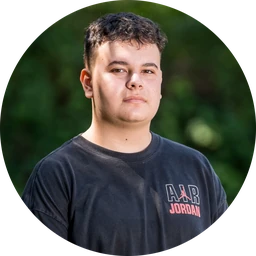
This article reflects the personal perspective of Nicholas Carstoiu, based on his experience with the Children's Board in Romania, supported by UNICEF. The views expressed do not necessarily represent UNICEF's official position.